Best Seller Icon Bestseller

Professional In SAP(S-PS-2490)

  • Last updated Oct, 2026
  • Certified Course

Course Includes

  • Duration1 Month
  • Enrolled0
  • Lectures25
  • Videos0
  • Notes0
  • CertificateYes

What you'll learn

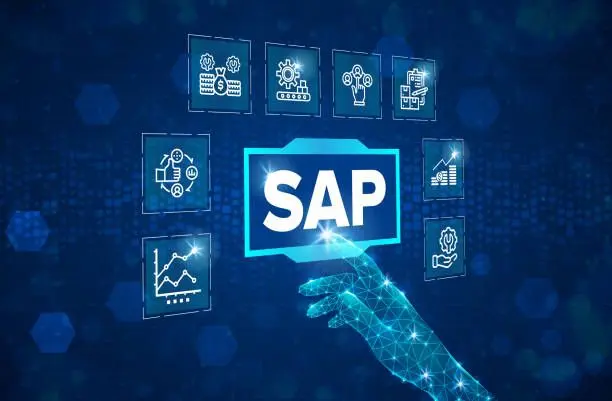
The SAP course provides practical knowledge of Enterprise Resource Planning (ERP) and SAP business processes used by organizations to manage finance, procurement, sales, inventory, production, human resources and other business operations.

Students are introduced to the SAP environment, organizational structures, master data and important functional modules such as SAP FI, CO, MM, SD, PP, HCM, QM, PM and PS.

The course also focuses on real-world business processes such as Procure-to-Pay, Order-to-Cash, Plan-to-Produce and Record-to-Report, helping learners understand how different SAP modules work together within an organization.

Students also receive an introduction to SAP S/4HANA, SAP HANA and SAP Fiori and learn how modern SAP systems support digital business operations.

What You Will Learn

  • SAP and ERP fundamentals
  • SAP navigation
  • Enterprise organizational structure
  • SAP master data
  • SAP FI – Financial Accounting
  • SAP CO – Controlling
  • SAP MM – Materials Management
  • SAP SD – Sales and Distribution
  • SAP PP – Production Planning
  • SAP HCM – Human Capital Management
  • SAP QM – Quality Management
  • SAP PM – Plant Maintenance
  • SAP PS – Project System
  • SAP business process integration
  • SAP reporting and analytics
  • SAP security fundamentals
  • SAP S/4HANA overview
  • SAP Fiori fundamentals
  • Practical SAP business scenarios

Who Can Join?

  • Students and graduates
  • Commerce and management students
  • MBA and BBA students
  • Engineering students
  • Finance professionals
  • Accounts professionals
  • Purchase and procurement professionals
  • Sales and marketing professionals
  • HR professionals
  • Production and manufacturing professionals
  • Working professionals
  • Anyone interested in ERP and SAP

Prerequisite

  • Basic computer knowledge
  • Basic understanding of business processes is helpful
  • Knowledge of accounting, inventory, sales or production is beneficial
  • No previous SAP experience is required

Course Outcome

After completing this course, students will be able to:

  • Understand SAP and ERP concepts
  • Navigate the SAP environment
  • Understand enterprise organizational structures
  • Work with SAP master data concepts
  • Understand major SAP functional modules
  • Understand financial and controlling processes
  • Understand procurement and inventory processes
  • Understand sales and distribution processes
  • Understand production planning processes
  • Understand HR, quality and maintenance processes
  • Understand cross-module integration
  • Analyze standard SAP business reports
  • Understand SAP S/4HANA fundamentals
  • Apply SAP concepts to real-world business scenarios

Practical Projects

Students can work on practical business scenarios such as:

  1. SAP Company and Organizational Structure Setup
  2. Material Master and Vendor Management
  3. Purchase Requisition to Purchase Order
  4. Goods Receipt and Invoice Verification
  5. Inventory Management Process
  6. Customer Master and Sales Order
  7. Delivery and Billing Process
  8. Production Planning Scenario
  9. Financial Accounting Transaction Process
  10. Cost Center and Profit Center Analysis
  11. Employee Management Scenario
  12. Integrated SAP Business Process Project

Career & Learning Opportunities

After completing the course, students can explore entry-level opportunities such as:

  • SAP Trainee
  • SAP Functional Consultant Trainee
  • SAP Support Executive
  • SAP End User
  • SAP Business Process Associate
  • SAP FI Trainee
  • SAP MM Trainee
  • SAP SD Trainee
  • SAP PP Trainee
  • SAP HCM Trainee
  • ERP Support Executive
  • SAP Application Support Trainee
  • SAP Data/Reporting Executive
  • Junior SAP Functional Associate

The course also provides a foundation for specialized learning in SAP FI, SAP CO, SAP MM, SAP SD, SAP PP, SAP HCM, SAP QM, SAP PM, SAP S/4HANA and SAP Fiori.

Show More

Course Syllabus

Module 1: Introduction to SAP

  • What is SAP?
  • History and evolution of SAP
  • ERP and Enterprise Resource Planning
  • SAP architecture and ecosystem
  • SAP applications in business
  • Benefits of SAP implementation

Module 2: SAP Navigation and User Interface

  • SAP system login and navigation
  • SAP GUI fundamentals
  • Understanding menus and screens
  • Transactions and transaction codes
  • User settings and personalization
  • Working with SAP business data

Module 3: Enterprise Structure in SAP

  • Company and organizational structure
  • Company Code
  • Controlling Area
  • Plant
  • Storage Location
  • Purchasing Organization
  • Sales Organization
  • Distribution Channel

Module 4: SAP Master Data

  • Introduction to master data
  • Customer master
  • Vendor/Supplier master
  • Material master
  • Employee master concepts
  • Master data maintenance
  • Importance of accurate master data

Module 5: SAP Financial Accounting – FI

  • Introduction to SAP FI
  • General Ledger
  • Accounts Payable
  • Accounts Receivable
  • Asset Accounting
  • Bank Accounting
  • Financial transactions
  • Financial reporting

Module 6: SAP Controlling – CO

  • Introduction to SAP CO
  • Cost centers
  • Profit centers
  • Internal orders
  • Cost element concepts
  • Profitability analysis
  • Cost planning and monitoring

Module 7: SAP Materials Management – MM

  • Introduction to SAP MM
  • Procurement process
  • Material master
  • Vendor management
  • Purchase requisition
  • Purchase order
  • Goods receipt
  • Invoice verification
  • Inventory management

Module 8: SAP Sales and Distribution – SD

  • Introduction to SAP SD
  • Customer master
  • Sales organization
  • Sales order
  • Delivery processing
  • Picking and packing concepts
  • Goods issue
  • Billing and invoicing

Module 9: SAP Production Planning – PP

  • Introduction to SAP PP
  • Production planning concepts
  • Material requirements planning
  • Bill of Materials
  • Work centers
  • Routing
  • Production orders
  • Production monitoring

Module 10: SAP Human Capital Management – HCM

  • Introduction to SAP HCM
  • Organizational management
  • Personnel administration
  • Employee master data
  • Time management
  • Payroll concepts
  • Employee reporting

Module 11: SAP Quality Management – QM

  • Introduction to SAP QM
  • Quality planning
  • Quality inspection
  • Inspection lots
  • Quality notifications
  • Quality control processes
  • Quality reporting

Module 12: SAP Plant Maintenance – PM

  • Introduction to SAP PM
  • Equipment master
  • Functional locations
  • Maintenance notifications
  • Maintenance orders
  • Preventive maintenance
  • Breakdown maintenance
  • Maintenance reporting

Module 13: SAP Project System – PS

  • Introduction to SAP PS
  • Project structures
  • Work Breakdown Structure
  • Networks and activities
  • Project planning
  • Cost planning
  • Project monitoring
  • Project reporting

Module 14: SAP Business Processes

  • Procure-to-Pay process
  • Order-to-Cash process
  • Plan-to-Produce process
  • Record-to-Report process
  • Hire-to-Retire concepts
  • Integration between SAP modules
  • Business process flow

Module 15: SAP Reporting and Analytics

  • SAP reports
  • Standard reports
  • Financial reports
  • Inventory reports
  • Sales reports
  • Purchase reports
  • Production reports
  • Business data analysis

Module 16: SAP Security and User Management

  • SAP security fundamentals
  • User accounts
  • Roles and authorizations
  • Access control
  • User permissions
  • Security best practices
  • Basic audit concepts

Module 17: SAP Integration

  • Integration between SAP modules
  • FI and MM integration
  • FI and SD integration
  • MM and PP integration
  • SD and MM integration
  • Master data integration
  • Business process integration

Module 18: SAP S/4HANA Overview

  • Introduction to SAP S/4HANA
  • SAP HANA fundamentals
  • SAP S/4HANA architecture
  • SAP Fiori overview
  • Modern SAP business processes
  • SAP S/4HANA vs traditional SAP ERP
  • Digital transformation with SAP

Module 19: Practical SAP Business Scenarios

  • Creating and maintaining master data
  • Purchase requisition to purchase order
  • Goods receipt and invoice verification
  • Customer order to billing
  • Inventory management process
  • Financial transaction processing
  • Production planning scenario
  • Business reporting

Module 20: Final SAP Project & Assessment

  • Business requirement analysis
  • Selecting an SAP business process
  • Organizational structure setup
  • Master data preparation
  • Transaction processing
  • Cross-module integration
  • Report generation
  • Process documentation
  • Final project presentation
  • Practical assessment


Review

0.0
Course Rating (0 reviews)
0%
0%
0%
0%
0%


Call
Text Message
Review
Email
CHAT