What you'll learn
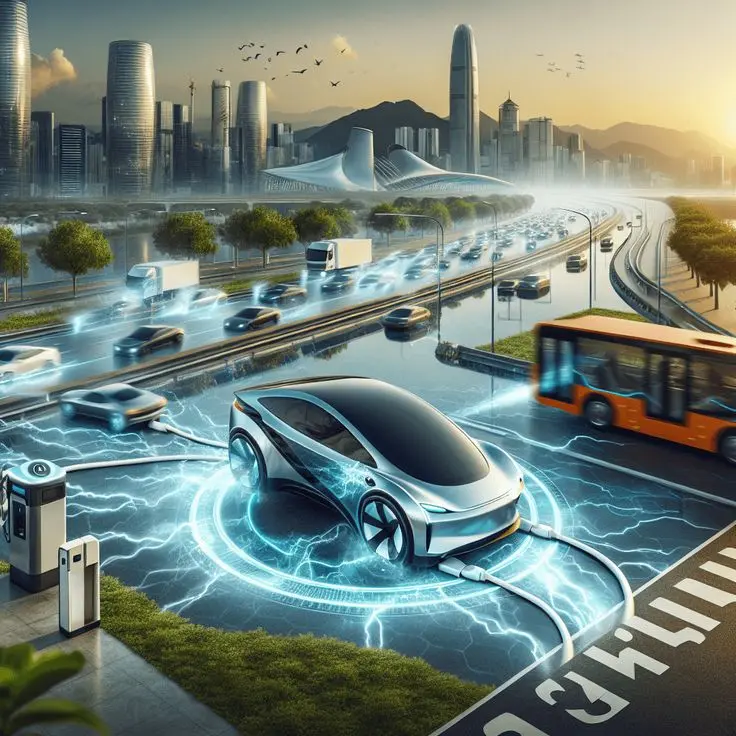
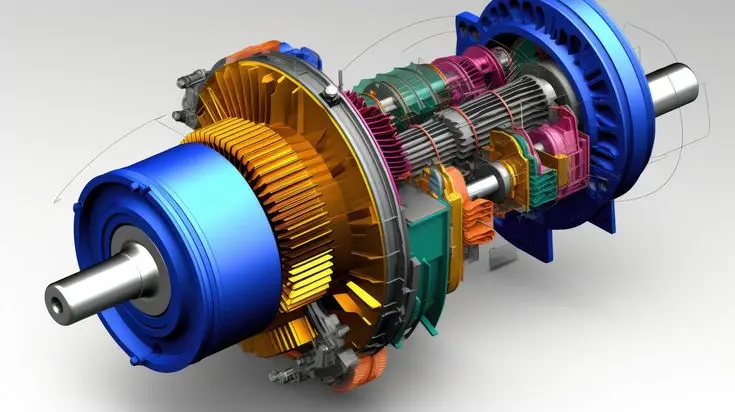
EV POWER TRAIN DESIGN is a practical course focused on the design, analysis, simulation, and integration of electric vehicle powertrain systems. The course covers electric motors, power electronics, battery integration, transmissions, vehicle performance calculations, regenerative braking, thermal management, vehicle control systems, and powertrain simulation.
Learners will understand how electrical energy from the battery is converted into mechanical power to drive an electric vehicle. The course also covers motor selection, torque and power calculations, gear-ratio selection, inverter and motor-controller concepts, energy consumption, regenerative braking, vehicle dynamics, system-level modeling, and practical powertrain design workflows.
What You Will Learn
- Fundamentals of electric vehicle powertrains
- EV powertrain architectures
- BEV, HEV and PHEV concepts
- PMSM, BLDC, induction and SRM motors
- Motor torque and speed characteristics
- Motor power and efficiency analysis
- Vehicle tractive force calculations
- Acceleration and gradeability calculations
- Aerodynamic and rolling resistance
- EV motor and battery matching
- Gearbox and reduction-ratio selection
- Differential and final-drive concepts
- EV inverters and motor controllers
- DC-DC converter concepts
- Vehicle Control Unit (VCU)
- CAN communication concepts
- Regenerative braking
- EV thermal management
- Powertrain efficiency and energy consumption
- Driving-cycle analysis
- Powertrain modeling and simulation
- EV powertrain mechanical packaging
- High-voltage electrical architecture
- Powertrain testing and validation
Who Can Join?
- Mechanical Engineering students
- Automobile Engineering students
- Electrical Engineering students
- Electronics Engineering students
- Mechatronics students
- EV Technology students
- Diploma students
- Automotive design students
- Electric vehicle professionals
- Automotive engineers
- Powertrain engineers
- Vehicle design professionals
- CAD designers
- Product design engineers
- EV system engineers
- Engineering graduates interested in electric mobility
Prerequisite
- Basic computer knowledge
- Basic mathematics and engineering concepts
- Basic electrical and mechanical knowledge
- Understanding of voltage, current and power is helpful
- Basic knowledge of electric motors is beneficial
- Vehicle dynamics knowledge is helpful
- CAD knowledge is beneficial for mechanical packaging
- Basic programming/simulation knowledge is an advantage
- No previous EV powertrain design experience is required
Course Outcome
After completing the course, learners will be able to:
- Understand EV powertrain architecture
- Identify and compare different EV motor technologies
- Analyze motor torque, speed and power requirements
- Calculate vehicle tractive force and power requirements
- Select an appropriate motor for basic EV applications
- Match the motor with battery and inverter requirements
- Calculate suitable transmission and gear ratios
- Understand inverter and motor-controller operation
- Understand VCU and EV control architecture
- Analyze regenerative braking concepts
- Evaluate powertrain efficiency and energy consumption
- Understand EV thermal-management requirements
- Analyze vehicle driving cycles
- Develop basic EV powertrain models
- Perform system-level powertrain simulations
- Understand high-voltage powertrain architecture
- Develop conceptual EV powertrain designs
- Prepare powertrain design and validation documentation
Career & Learning Opportunities
- EV Powertrain Design Engineer Trainee
- EV Powertrain Engineer Trainee
- Electric Vehicle Design Engineer Trainee
- EV Systems Engineer Trainee
- Electric Motor Design Assistant
- EV Motor Selection Engineer Trainee
- Powertrain Development Engineer Trainee
- EV Performance Engineer Trainee
- Automotive Design Engineer Trainee
- EV Simulation Engineer Trainee
- Vehicle Dynamics Engineer Trainee
- EV Controls Engineer Trainee
- Power Electronics Engineer Trainee
- EV Testing Engineer Trainee
- EV Validation Engineer Trainee
- Automotive CAD Designer
- EV Product Design Assistant
- EV Engineering Project Assistant
Practical Project Focus
The course emphasizes practical EV powertrain development through motor selection, vehicle performance calculations, battery-motor matching, gear-ratio calculation, inverter/controller integration, regenerative braking analysis, thermal-management concepts, driving-cycle simulation, powertrain CAD packaging, and complete conceptual EV powertrain projects.
Actual EV powertrain systems involve high-voltage electrical, mechanical, thermal, and safety risks. Production vehicle designs should be engineered, tested, validated, and approved according to applicable automotive standards, manufacturer specifications, safety requirements, and qualified engineering practices.
 Bestseller